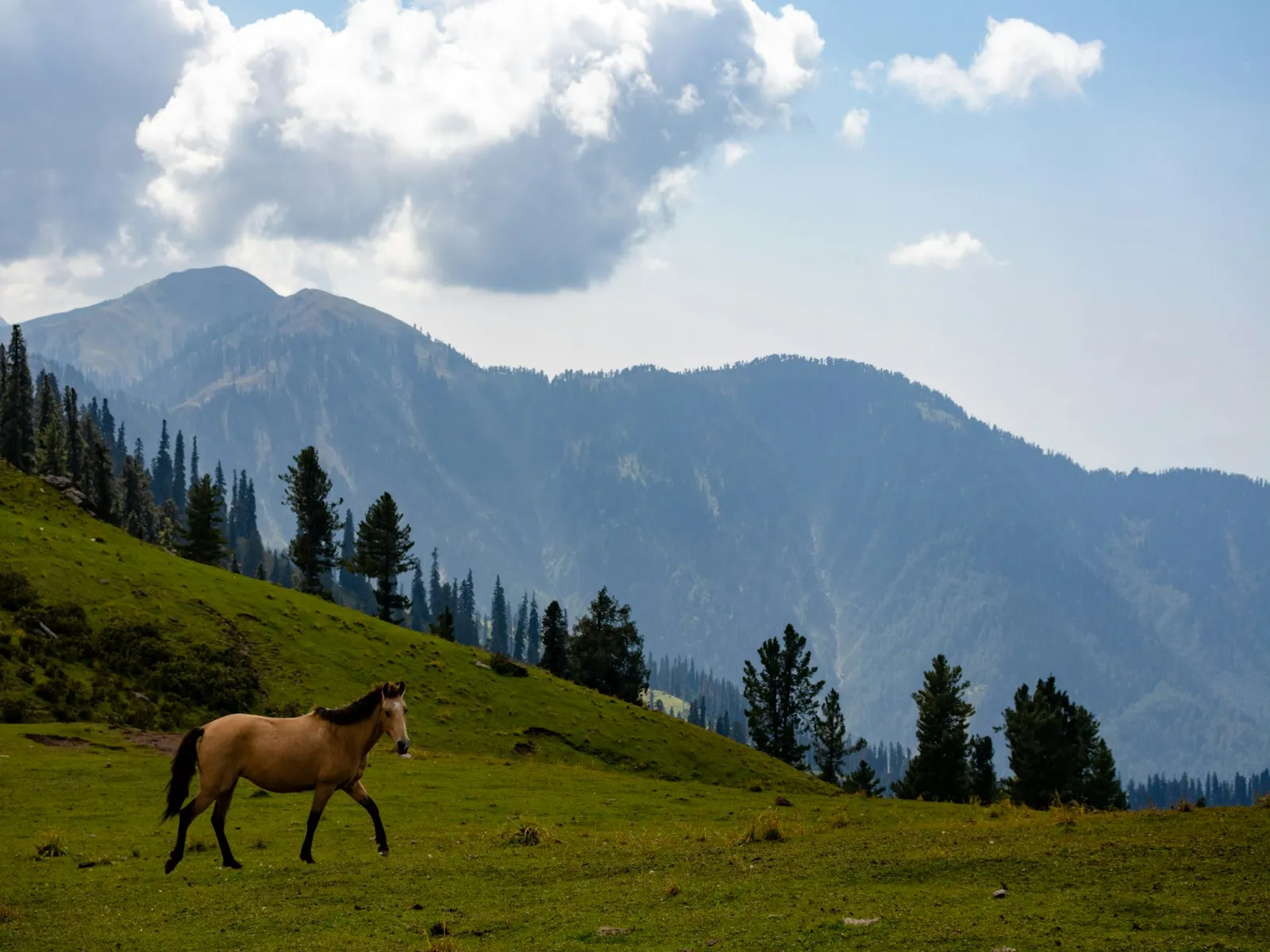
The Fairy Meadows Trek, organized by Karakoram Mountain Experts, is an accessible yet exhilarating adventure. Located in the Diamer District of Gilgit-Baltistan, the journey begins with a legendary Jeep ride on one of the world’s most daring mountain roads, followed by a gentle to moderate trek through pine forests. It is the perfect trek for those who want to see an 8,000m peak up close without the weeks-long commitment required for K2
The Infamous Jeep Ride: Experience the thrilling 4×4 journey from Raikot Bridge to Tattu Village.
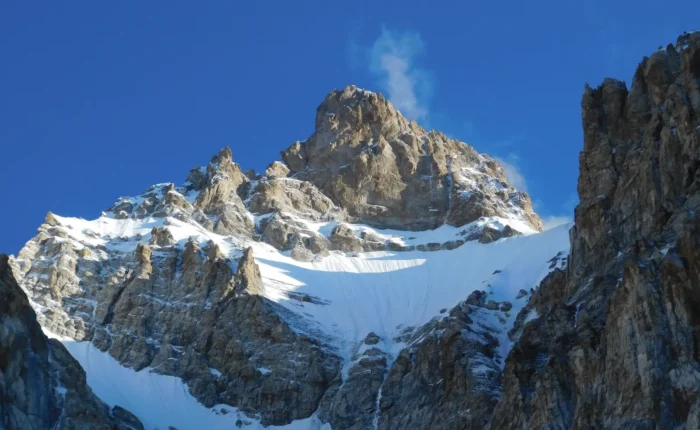
Nanga Parbat (Raikot Face): Witness the sheer verticality of the mountain rising directly from the meadows.
Beyal Camp: A quieter, more serene campsite further up the trail with even closer views.
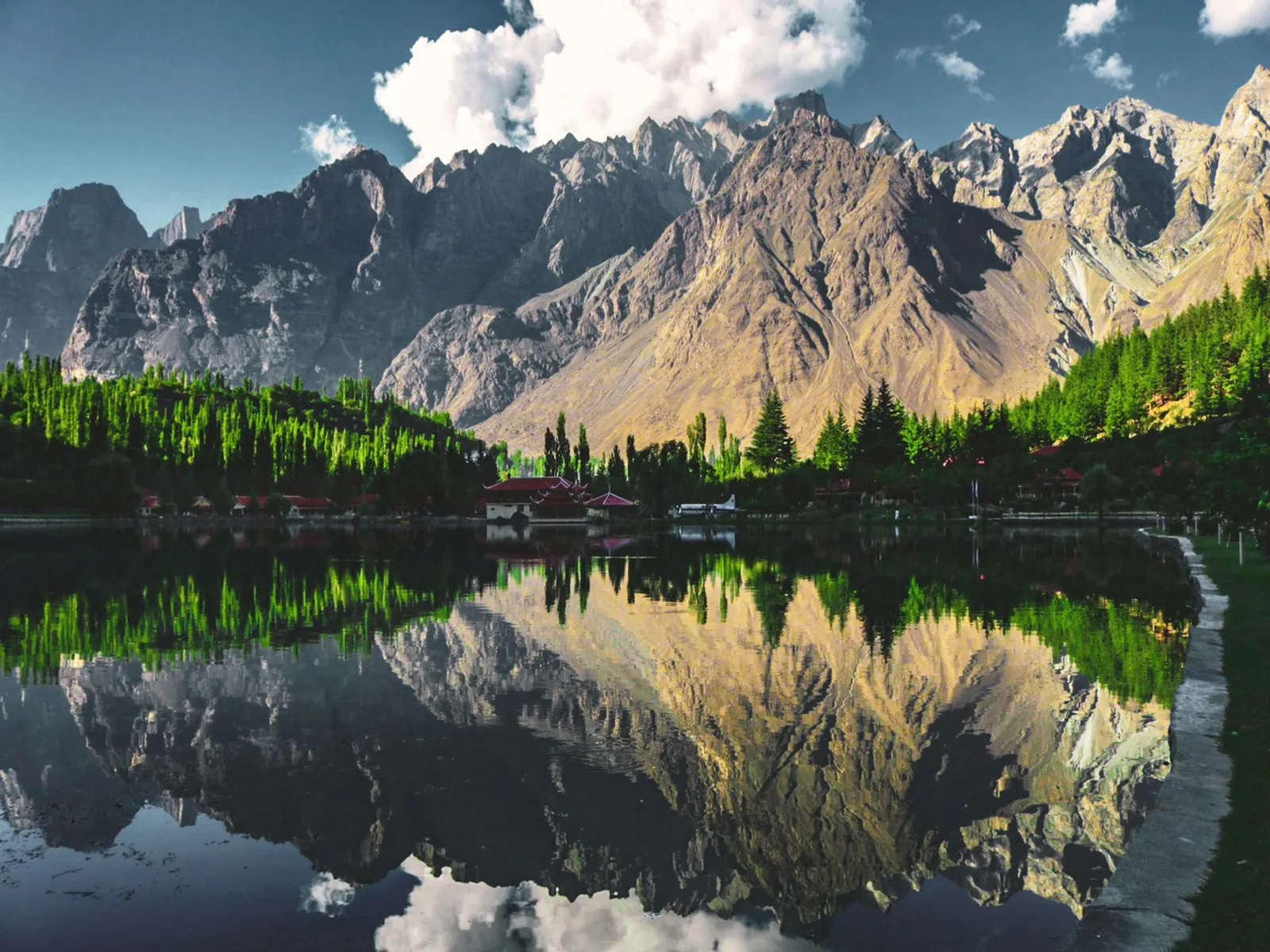
Reflection Lake: Capture the iconic photograph of Nanga Parbat reflected in the still waters of a mountain pond.
Expert Local Crew: Travel with the seasoned team of Karakoram Mountain Experts for the best campsites and local storytelling.
Upon arrival at Islamabad International Airport, you will be greeted by the Karakoram Mountain Experts staff and transferred to your hotel. After a rest, we meet for an afternoon briefing regarding the road conditions and gear. We enjoy a welcome dinner at a local traditional restaurant.
We begin early for a 10–12 hour drive to Chilas. Depending on the month in 2026, we will either take the scenic Babusar Pass (if open) or the classic Karakoram Highway (KKH). The landscape transitions from green hills to the dry, dramatic gorges of the Indus River.
After a short drive to Raikot Bridge, we transfer into local 4×4 Jeeps. This 1.5-hour ride is world-famous for its narrow turns and cliffside views. From the road-head at Tattu Village, we begin a 2–3 hour trek through pine forests to reach Fairy Meadows (3,300m). We camp (or stay in wooden huts) with Nanga Parbat towering directly in front of us.
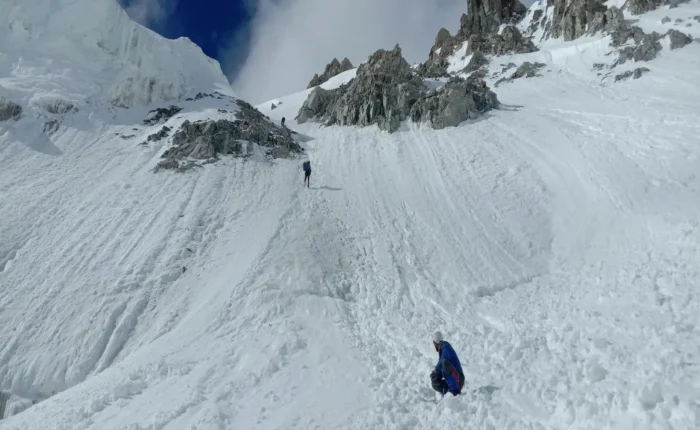
Today is the highlight for trekkers. We hike through the meadows to Beyal Camp and then continue to the Nanga Parbat Base Camp (3,967m). The trail takes you through the edge of the Raikot Glacier, offering views of the massive ice-falls. After basking in the glory of the “Killer Mountain,” we return to Fairy Meadows for a celebratory bonfire
A relaxed day to explore the surrounding woods, visit the Reflection Lake, or simply sit with a cup of tea and watch the light change on the mountain face. This day is essential for those who want to soak in the atmosphere of the “Throne of the Gods.”
We trek back down to Tattu Village (approx. 2 hours) and take the Jeeps back to Raikot Bridge. We then drive back toward the Naran Valley or Chilas, enjoying a final look at the Himalayan horizon.
The final leg of the road journey brings us back to the capital. We enjoy a farewell dinner and share photos from the trip.
Transfer to the airport for your flight home, carrying memories of the magic of the meadows.
Logistics: All road transport and the specialized 4×4 Jeeps to Tattu.
Guide: Certified English-speaking guide from Karakoram Mountain Experts.
Meals: Three fresh meals a day during the trek and in the mountains.
Accommodation: Twin-sharing hotel rooms in cities and cozy wooden huts or tents in Fairy Meadows.
Permits: All local entry fees and bridge tolls.
Personal Expenses: Laundry, phone calls, and beverages.
Gear: Sleeping bags (rated 0°C to -5°C) and personal hiking clothing.
Insurance: Travel insurance covering emergency evacuation.
Tips: Gratuities for drivers, guides, and porters ($100 – $150 total recommended).
It is a “Moderate” hike. Most people with average fitness can complete it in 3 hours. For those who prefer not to walk, horses are available for rent at Tattu Village.
The road is narrow and sits on a steep cliff, which gives it its reputation. However, the local drivers are specialists who drive this route daily. Karakoram Mountain Experts only uses the most experienced local drivers.
Layered clothing is key. It can be quite warm during the day but drops below freezing at night. A sturdy pair of hiking boots and a good camera are essentials.
Fairy Meadows is accessible in winter, but the trek becomes a difficult snow-hike and most huts close. The best window for 2026 is June to September.